Gabriella’s – A Child with Stargardts Disease
It started with a routine school eye test. Nothing to worry about, the doctor said, just an entry-level pair of glasses, and Gabriella went back to her normal life.
Looking back now, her father Belgie can see everything they missed. Gabriella sitting far too close to the television. A book held right up against her face. A squint, a particular way she’d pull her face, that he now recognises as the early signs of Stargardt disease. At the time, none of it seemed unusual enough to question. “I mean, five kids,” he says, “I think we were just so used to everything going perfectly.”
It took a teacher to notice what the family hadn’t: Gabriella needed to sit at the front of the class because she couldn’t see the board. A follow-up test led to a phone call Belgie will never forget. In just six months, Gabriella had lost 60% of her central vision.
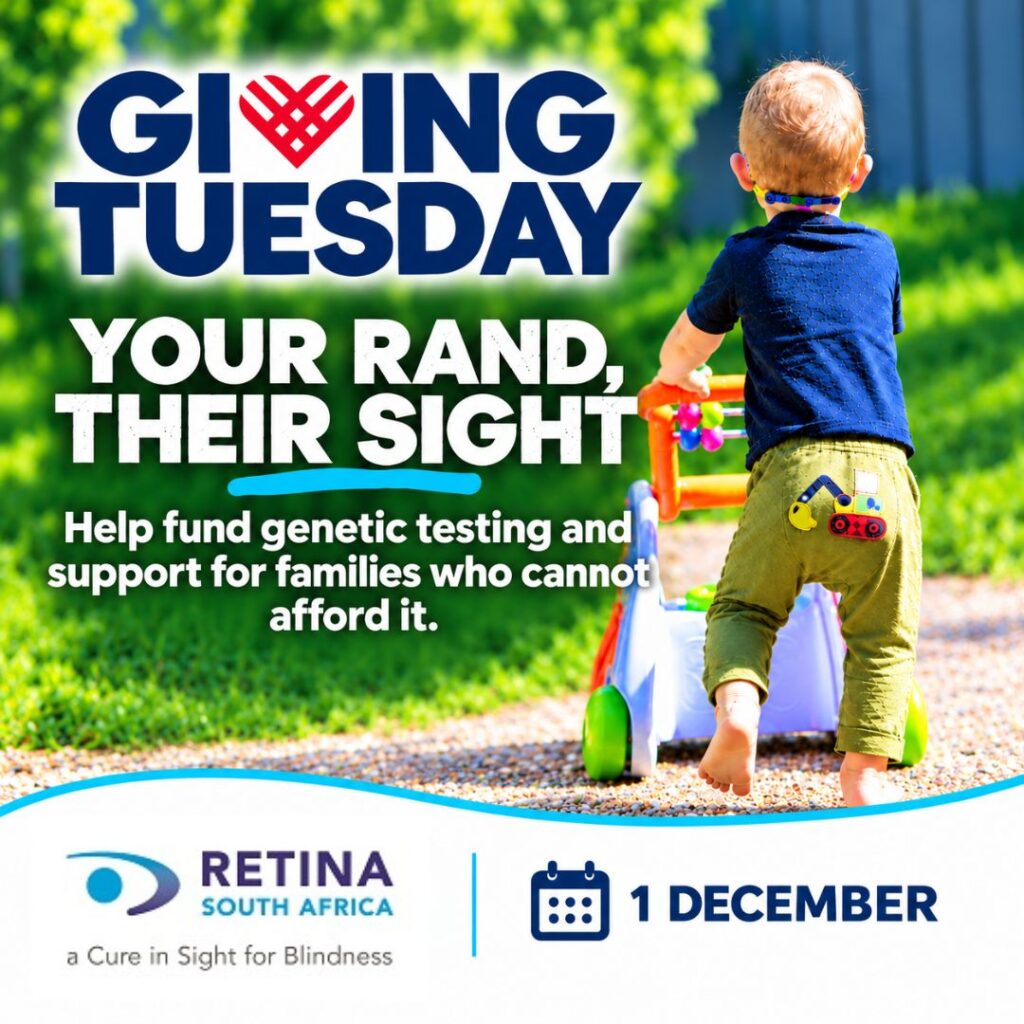
What followed was a steep, expensive climb toward understanding. Specialists, genetic testing across multiple family members to trace where the condition came from, and a significant amount of money spent chasing answers. Even now, Belgie is fighting an insurance claim that insists Gabriella has lost only 2% of her sight, unable to grasp what a central vision test actually misses. “A lot of people don’t understand how it works,” he says, “or what Stargardt even is.” For an ordinary family without means, without the ability to keep testing, keep asking, keep pushing, he believes the outcome could look very different. It’s a difficulty other families have echoed too: getting a proper genetic diagnosis in South Africa is rarely simple, and rarely cheap.
Belgie found Retina South Africa through a Google search, before the family had even seen their first specialist. What began as a single search became one of the steadiest sources of guidance in their entire journey. “We’ve asked them a lot of questions,” he says, “I do send them questions now and then.” Nothing gets tried before Retina weighs in first, not a supplement, not a specialist, not a single decision. “Before we test something, I sent it to you guys, you guys give opinion on it, and obviously then we started.” Even choosing between doctors became a conversation with Retina first. “We actually phoned in and said, listen, what do you guys think, is there any other doctors?” For Belgie, it’s support no guidebook could replace. “It’s very personal,” he says. “It gives us a better foundation, like a big brother or big sister that sort of says, no, do this, or try that, go to these guys.” He remembers his first Retina event vividly too, walking into a room full of white canes, and understanding, for the first time, just how serious this condition really was. “It’s been a very helpful process for our family.”
Gabriella is ten now, coping well, in Belgie’s words, though quieter around new people since her diagnosis. A new assistive machine is being installed at her school, and her most recent test shows her vision loss has, for now, held steady. “We’re positive,” Belgie says. “We’re praying that in the next year, there might be some kind of cure.”
His advice to other parents is direct: test early, and don’t wave away the small signs. “I’ll tell parents, rather test it,” he says. “We could have picked it up earlier.”
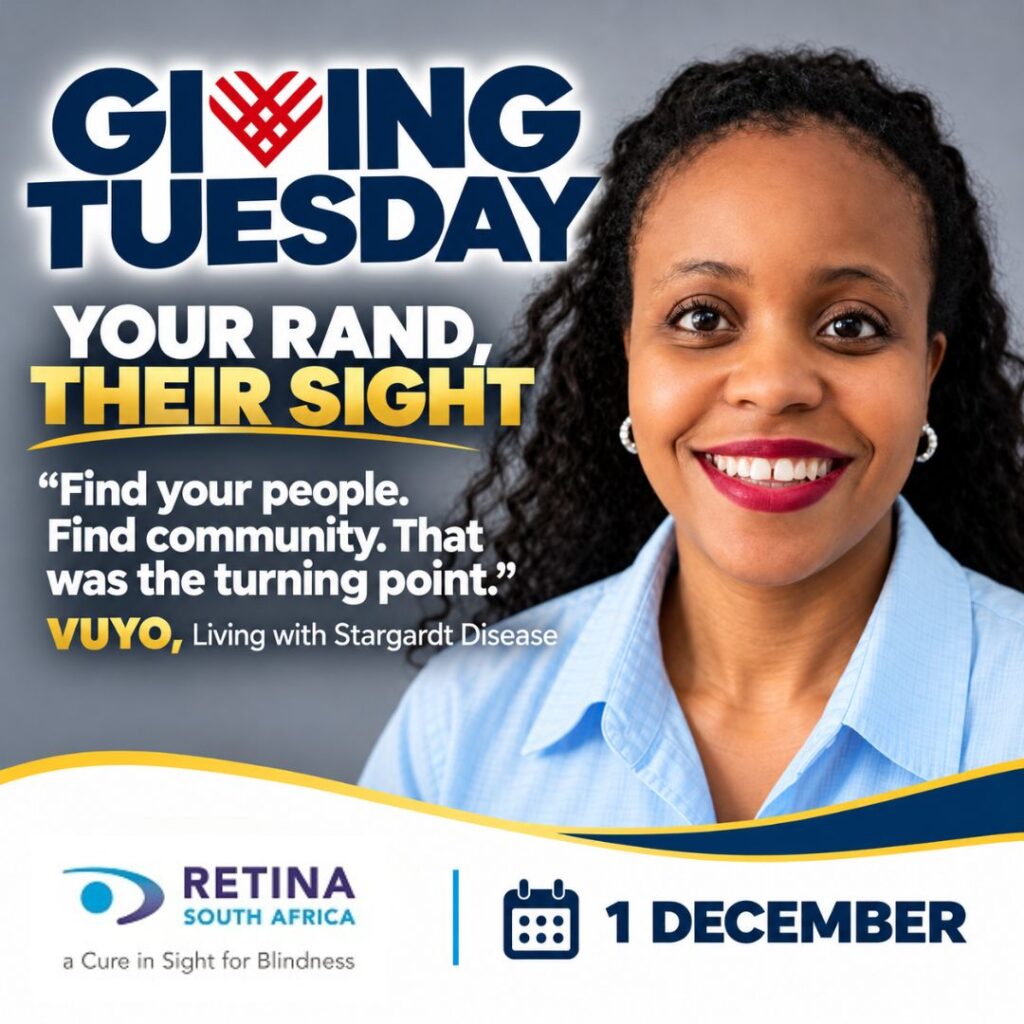
Belgie’s family has medical aid, resources, and a willingness to chase down every answer, and still, it has taken specialists, genetic testing, and a significant financial toll to get this far. For families without that same support behind them, the kind of steady, personal guidance Retina South Africa gave Belgie, someone to ask, before every decision, “what do you think?”, may simply not be within reach. This Giving Tuesday, your donation helps make sure it is: funding the genetic testing, guidance, and support that families like Gabby’s, and many without her advantages, need to navigate this journey.
Help families like Gabriella’s: GIVE TODAY