Genetic Testing & Counselling
Genetic testing and genetic counselling play a vital role in diagnosing inherited retinal diseases (IRDs), helping individuals and families understand the cause of vision loss, inheritance patterns, and future care options.
Genes are small sections of DNA that give instructions to the body and influence traits such as eye colour, height, and disease risk. DNA is present in nearly every cell and is passed down from parents to their children.
In inherited retinal diseases (IRDs), changes in specific genes (known as mutations) can affect how the retina works, leading to vision loss over time. Genetic testing looks for these changes in DNA to help identify the cause of an inherited retinal condition.
Genetic testing and counselling can provide clarity and reassurance, helping individuals and families better understand their diagnosis and make informed decisions about care, future treatment options, and family planning.
Retina South Africa supports individuals and families living with retinal conditions by offering trusted guidance, support, and access pathways for genetic testing, helping people navigate what can be a complex and emotional journey.
Why Genetic Testing Is Important
Why Genetic Testing Is Important
Genetic testing is important as it can help us identify the specific gene mutation that is responsible for an inherited retinal condition. Because many retinal conditions share similar symptoms, a genetic diagnosis can offer clearer insight into the exact condition, how it may progress, and what it may mean for family members.
More than 300 gene mutations are currently known to cause retinal degeneration. However, not all disease-causing genes have been identified. This means that a genetic test does not always provide a definite result. Even so, testing can still play an important role in understanding vision loss, ruling out specific gene mutations, and planning future care.
Genetic testing should always be considered alongside a confirmed clinical diagnosis and appropriate genetic counselling.
A genetic result may help in the following ways:
- Identifying the specific retinal condition and guiding its management
- Explaining how the condition is inherited and who else in the family may be at risk
- Supporting informed family planning and reproductive decisions
- Identifying individuals who may be eligible for clinical trials or emerging treatments
Benefits of Genetic Testing
Benefits of Genetic Testing
There are many ways that genetic testing can support individuals and their families. Click on each heading to learn more.
-
Identifying the gene mutation can help confirm the specific retinal condition and guide appropriate management. In some cases, this includes tailored lifestyle or medical advice relevant to that condition.
-
Genetic results explain how a condition is inherited (whether recessive, dominant, or X-linked) and what this may mean for children, siblings, and extended family members. This information supports informed family planning and future decision-making.
-
Many emerging treatments and clinical trials for inherited retinal conditions are gene-specific. A confirmed genetic diagnosis is often required for individuals to be considered for participation in current or future trials.
-
For many people, genetic testing provides answers after years of uncertainty, helping individuals and families better understand their diagnosis and plan with a greater sense of confidence and support.
How Inherited Retinal Conditions Are Passed On - Genetic Factors
How Inherited Retinal Conditions Are Passed On - Genetic Factors
Inherited retinal conditions can be passed down through families in different ways. The three most common inheritance patterns are explained below.
Autosomal Recessive Inheritance
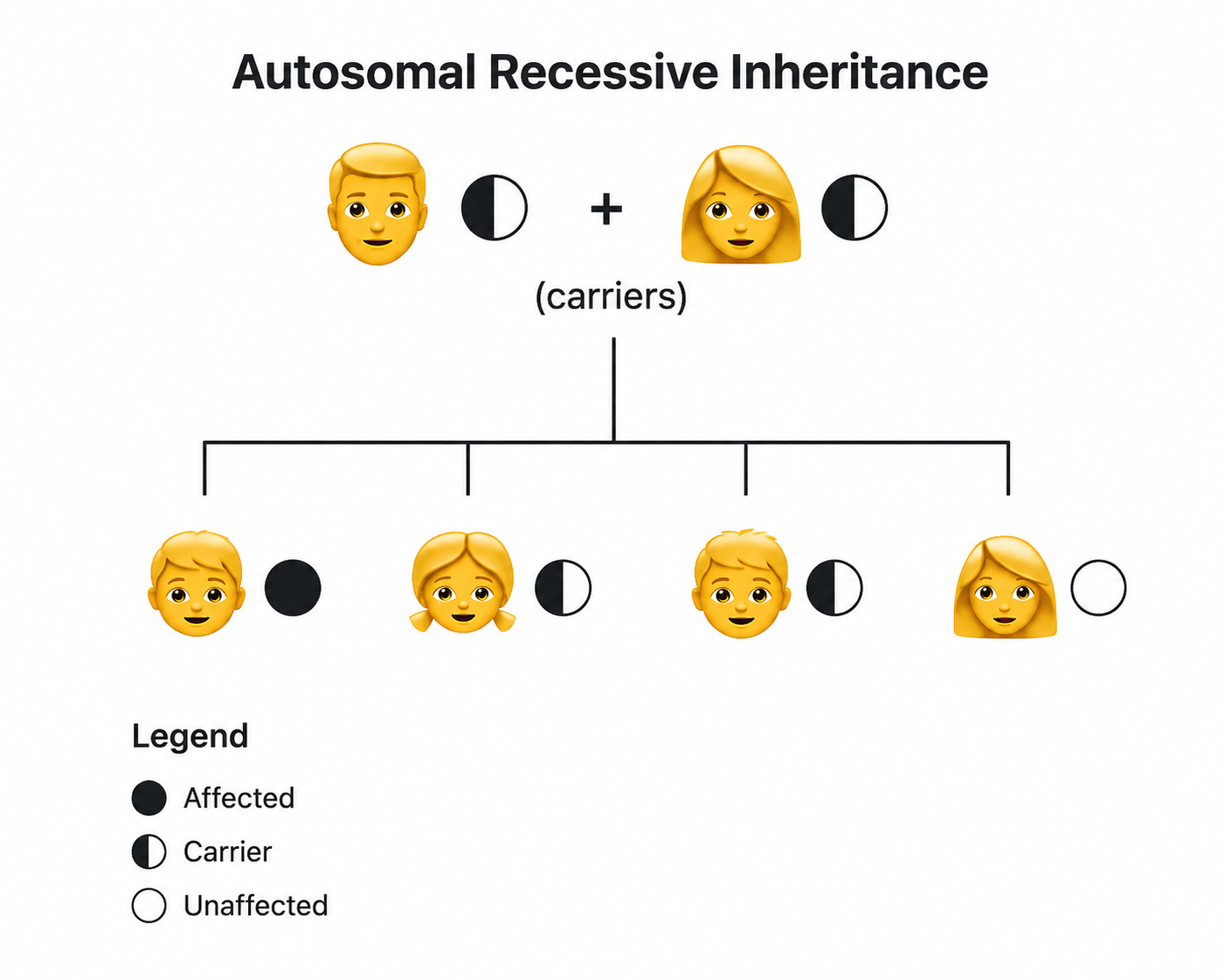
Autosomal Recessive Inheritance Pattern
Both parents carry one copy of a gene mutation but don’t usually have symptoms themselves. A child must inherit two faulty copies of the gene (one from each parent) to be affected.
With autosomal recessive inheritance, each pregnancy carries a 25% chance that the child will be affected, a 50% chance that the child will be an unaffected carrier, and a 25% chance that the child will inherit no faulty copies of the gene.
Autosomal Dominant Inheritance
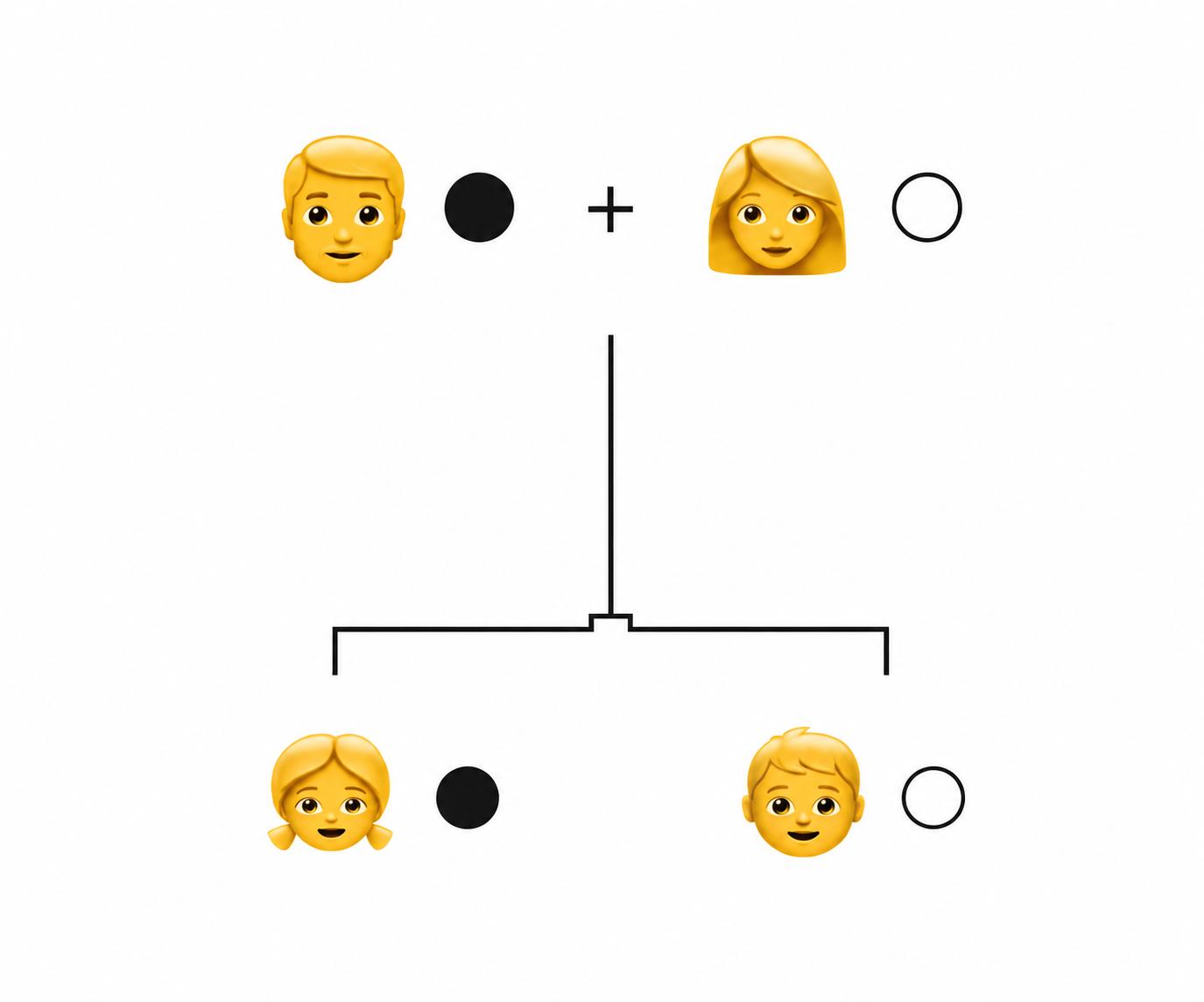
Autosomal Dominant Inheritance Pattern
Only one parent carries the gene mutation. Each child has a 50% chance of inheriting the condition, regardless of sex.
X-Linked Inheritance
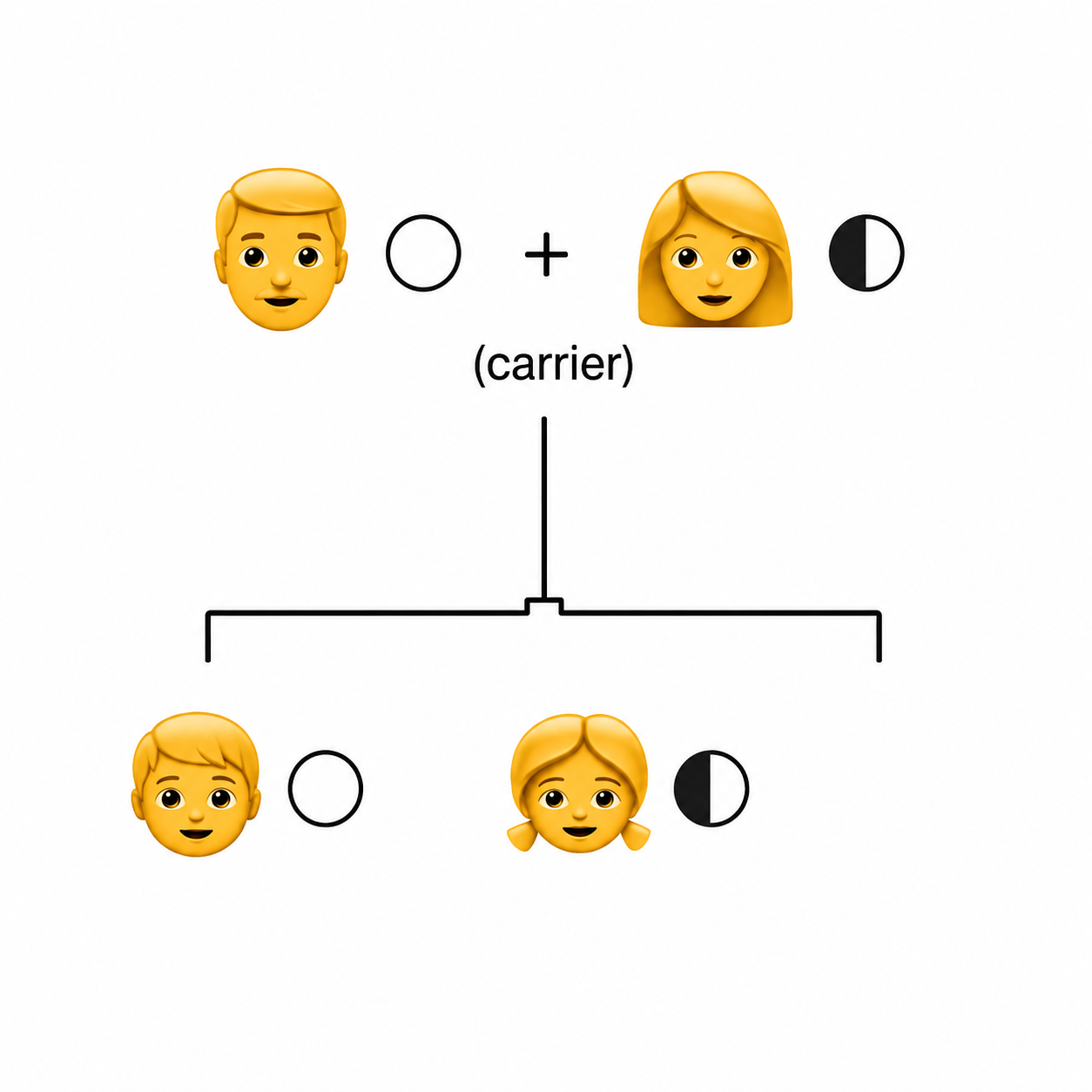
X-Linked Inheritance Pattern
The gene mutation is carried on the X chromosome. Males are more commonly affected because they have only one X chromosome. Females who carry a copy of a mutation on one of their X chromosomes may have mild symptoms
Why Genetic Counselling Is Essential
Why Genetic Counselling Is Essential
Genetic counselling is a required and important part of the genetic testing process. Genetic counsellors are specially trained healthcare professionals who support individuals and families before and after testing.
Genetic counselling helps you understand:
- What genetic testing can and cannot tell you
- The possible outcomes of a test
- The emotional impact and family implications of your results
- Issues of consent, privacy, and confidentiality
Counselling takes place before testing and again when the results are delivered, ensuring that individuals are fully informed and supported at every stage. Genetic results are always delivered personally and confidentially by a qualified genetic counsellor.
Become a Retina South Africa Member
Membership of Retina South Africa provides access to trusted information, guidance, support services, and updates on global vision loss research, clinical trials, and emerging treatments.
How Is Genetic Testing Done?
How Is Genetic Testing Done?
Genetic testing is carried out by specialised genetic testing laboratories. Retina South Africa can advise whether testing is best accessed through the private sector or the state healthcare system.
Genetic counselling is required before any genetic test is performed. This is a global ethical requirement followed by all accredited genetic testing laboratories.
Testing usually involves a blood or saliva sample and is analysed using advanced Next Generation Sequencing (NGS) panels. A genetic counsellor will advise on the most appropriate testing approach and the best laboratory for your needs.
Genetic Testing Programme
Genetic Testing Programme
Retina South Africa supports access to genetic testing through both private and state healthcare pathways.
Private testing pathway
Retina South Africa can help connect individuals with registered genetic counsellors, either locally or via virtual consultation. Genetic counselling fees are often reimbursed by medical aids, although the cost of genetic testing itself is generally not covered.
Results are delivered by the genetic counsellor and, with consent, may be shared with Retina South Africa to support research participation and clinical trial eligibility.
State and sponsored testing pathway
Some state hospitals offer limited genetic services. Retina South Africa may provide sponsorship for genetic testing in selected cases, particularly for younger patients from low-income families.
Eligibility is assessed based on factors such as age, diagnosis, family circumstances, and relevance to current or future clinical trials. Where approved, saliva kits are issued and analysed through approved South African laboratories. Timelines may vary depending on available funding.
What Happens After a Genetic Result?
What Happens After a Genetic Result?
Genetic results are delivered personally and confidentially by a qualified genetic counsellor. Results are shared only with your consent.
Retina South Africa can support individuals and families in understanding the implications of a result and, with permission, include eligible individuals in research and clinical trial databases.
Individuals may also choose to register with international research platforms such as My Retina Tracker [External Link], which allows researchers to identify potential participants for global clinical trials. Privacy and confidentiality are strictly protected.
Donate Now
Your donation helps fund life-changing genetic testing and support for families affected by inherited retinal conditions who would otherwise be unable to afford it.
Every contribution brings us closer to earlier diagnosis, informed care, and access to future treatments.
Donations over R250 are eligible for a Section 18A tax deduction.
Genetic Testing FAQs
Genetic Testing FAQs
Click on the frequently asked questions below to learn more.
-
Not necessarily. Some disease-causing genes have not yet been identified, so a test may not always detect the genetic cause of vision loss.
-
No. Clinical trials have strict eligibility criteria, including age, diagnosis, and disease stage. A genetic result allows consideration but does not guarantee inclusion.
-
Costs vary. Private genetic tests typically cost around USD $500 (or local equivalent), excluding counselling and courier fees. Genetic counselling fees are generally reimbursed by medical aids.
-
Sponsorship may be available in selected cases, subject to eligibility criteria such as age, income, diagnosis, and family circumstances.
-
Yes. All genetic results are confidential and shared only with your consent.
-
Retina South Africa’s social workers are available for individual or family consultations, either in person or remotely. Please contact Retina South Africa via this website or email headoffice@retinasa.org.za